10 of the best and most meaningful places to visit in Makkah
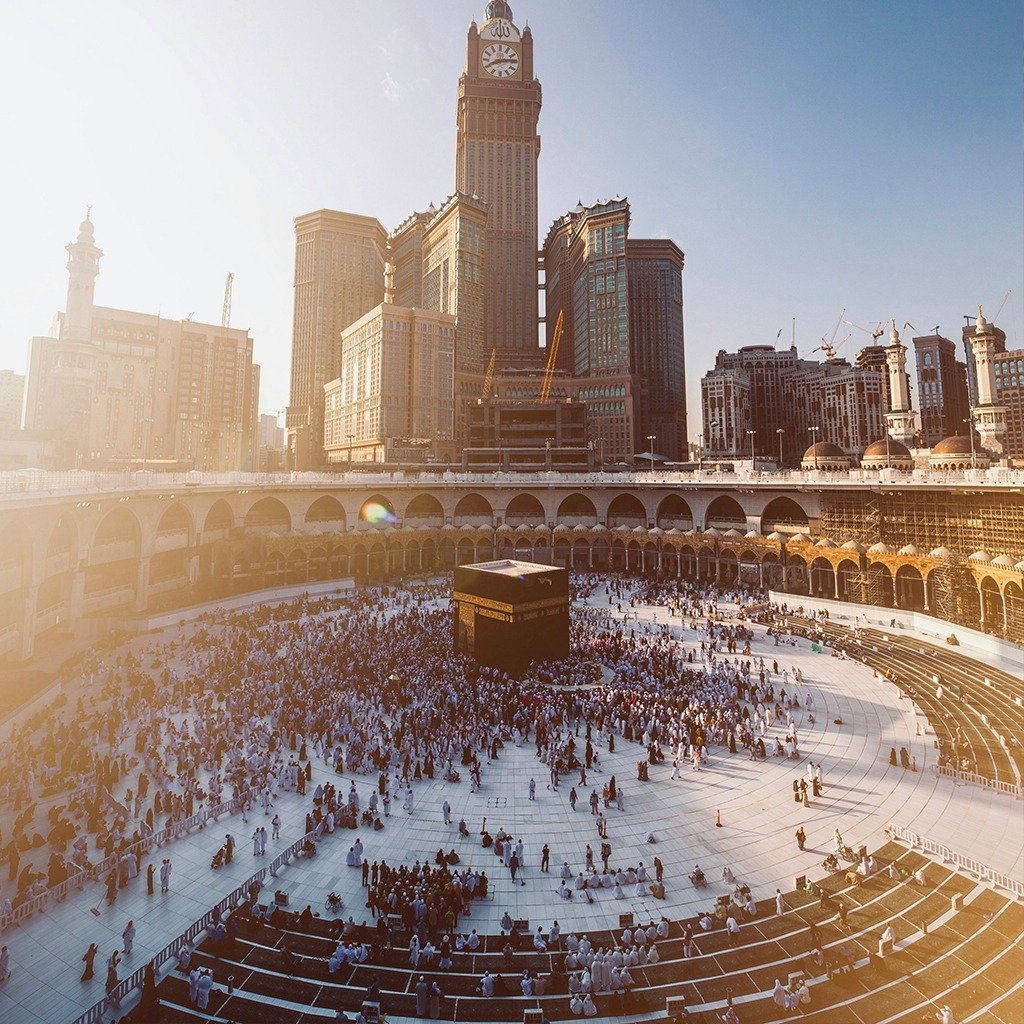
Masjid al-Haram (The Grand Mosque)
The holiest site in Islam and heart of Makkah, Masjid al-Haram houses the sacred Kaaba, where millions gather for Hajj and Umrah. Pilgrims perform Tawaf around the Kaaba, walk between Safa and Marwah, and drink from the blessed Zamzam well. It is a symbol of unity and devotion for Muslims from all over the world.
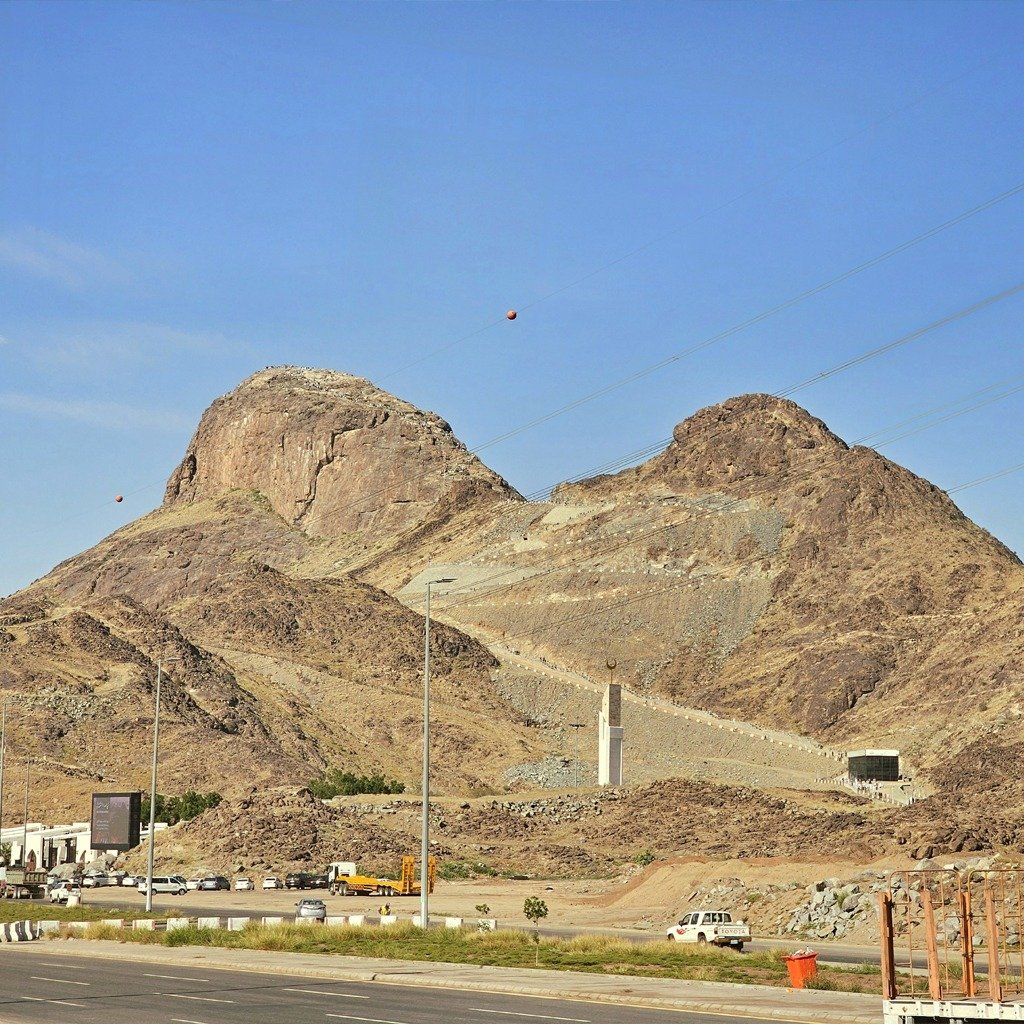
Jabal al-Nour (Mountain of Light)
Famous for the Cave of Hira, where the Prophet Muhammad ﷺ received the first revelation of the Qur’an from Angel Jibreel (Gabriel). Climbing Jabal al-Nour offers breathtaking views of Makkah and a chance to reflect on the Prophet’s mission. It’s a steep but spiritually inspiring journey for every pilgrim visiting Makkah.
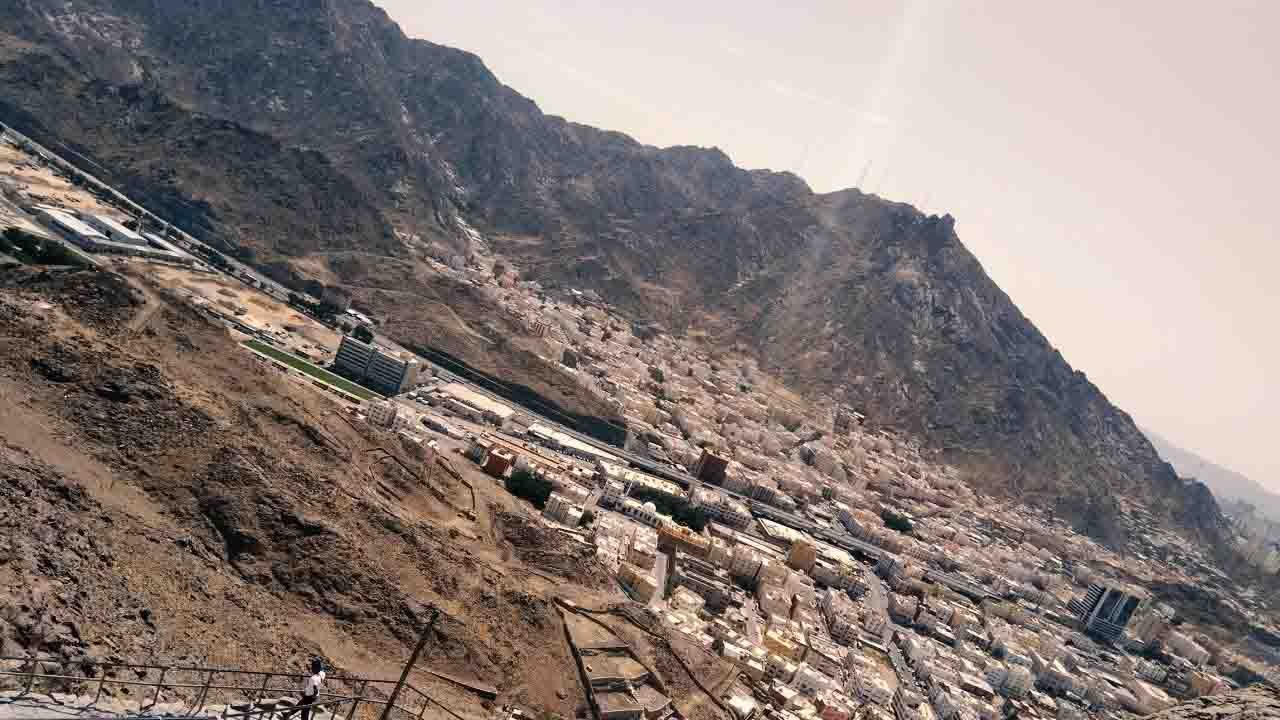
Jabal Thawr (Mount Thawr)
A sacred mountain south of Makkah where the Prophet ﷺ and Abu Bakr (RA) took refuge during the Hijrah to Madinah. The cave at its summit, Ghar Thawr, is where Allah protected them from their pursuers. Visiting this mountain connects travelers to a powerful story of faith, patience, and divine protection in Islamic history.
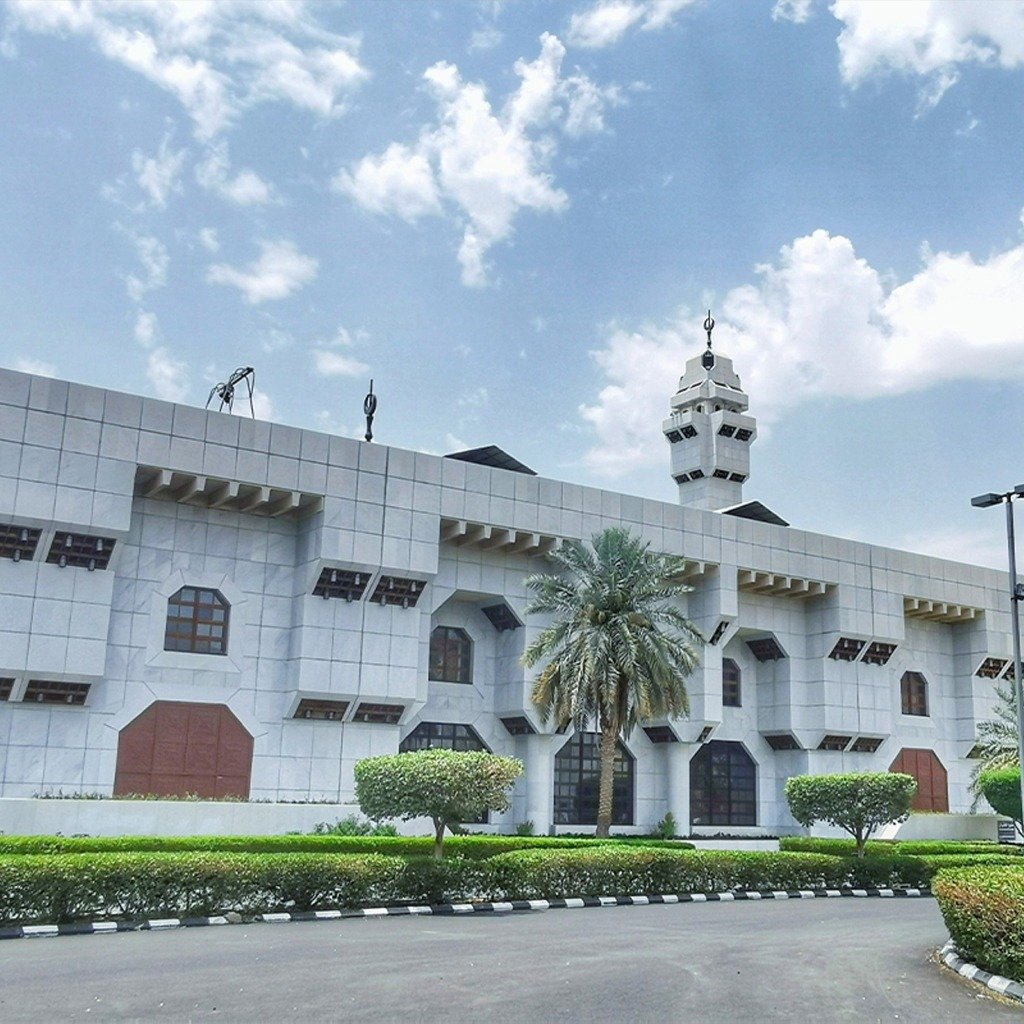
Masjid Aisha (Masjid at-Tan’eem)
Located about 7 km from Masjid al-Haram, Masjid Aisha is a miqat where pilgrims can enter into Ihram to perform Umrah. It is named after Aisha (RA), the wife of the Prophet ﷺ, who once took Ihram from here. The mosque is beautifully maintained and easily accessible, making it a convenient point for Umrah pilgrims.
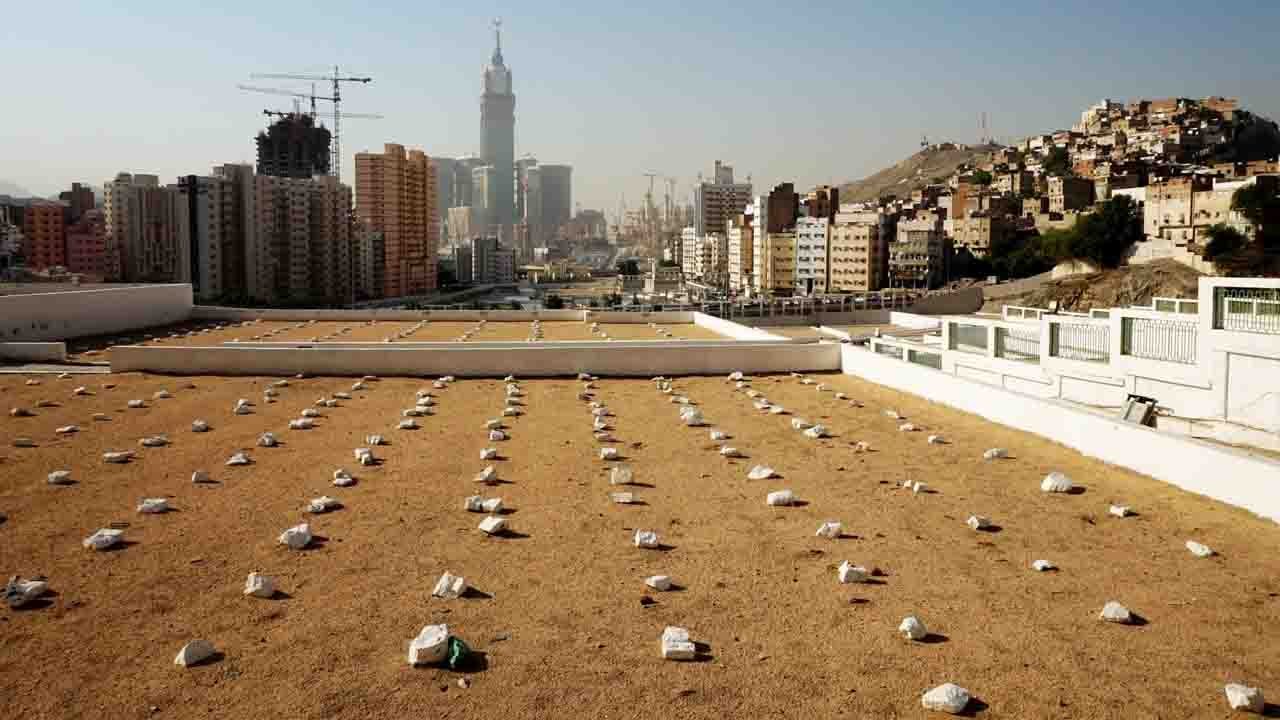
Jannat al-Mu’alla (Cemetery of Makkah)
An ancient and sacred cemetery where several relatives and companions of Prophet Muhammad ﷺ are buried, including his beloved wife Khadijah (RA). It serves as a place of remembrance and respect, reminding visitors of the pious figures who shaped early Islamic history. Entry is restricted, but it can be viewed respectfully from outside.
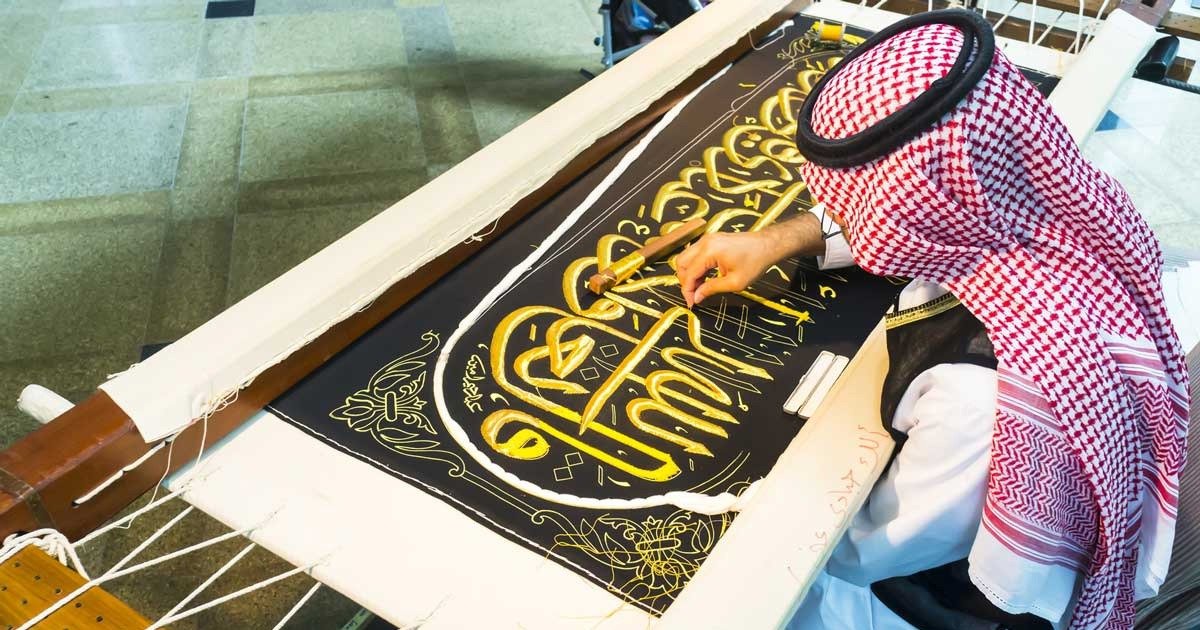
Kiswah Factory (Kiswa Factory of the Kaaba)
A fascinating destination where the Kaaba’s black cloth covering, known as the Kiswah, is meticulously woven with gold and silver threads. Visitors can watch artisans craft intricate Quranic calligraphy and learn about the Kiswah’s history through guided tours and displays. It’s a rare glimpse into the artistry behind the Kaaba’s beauty.
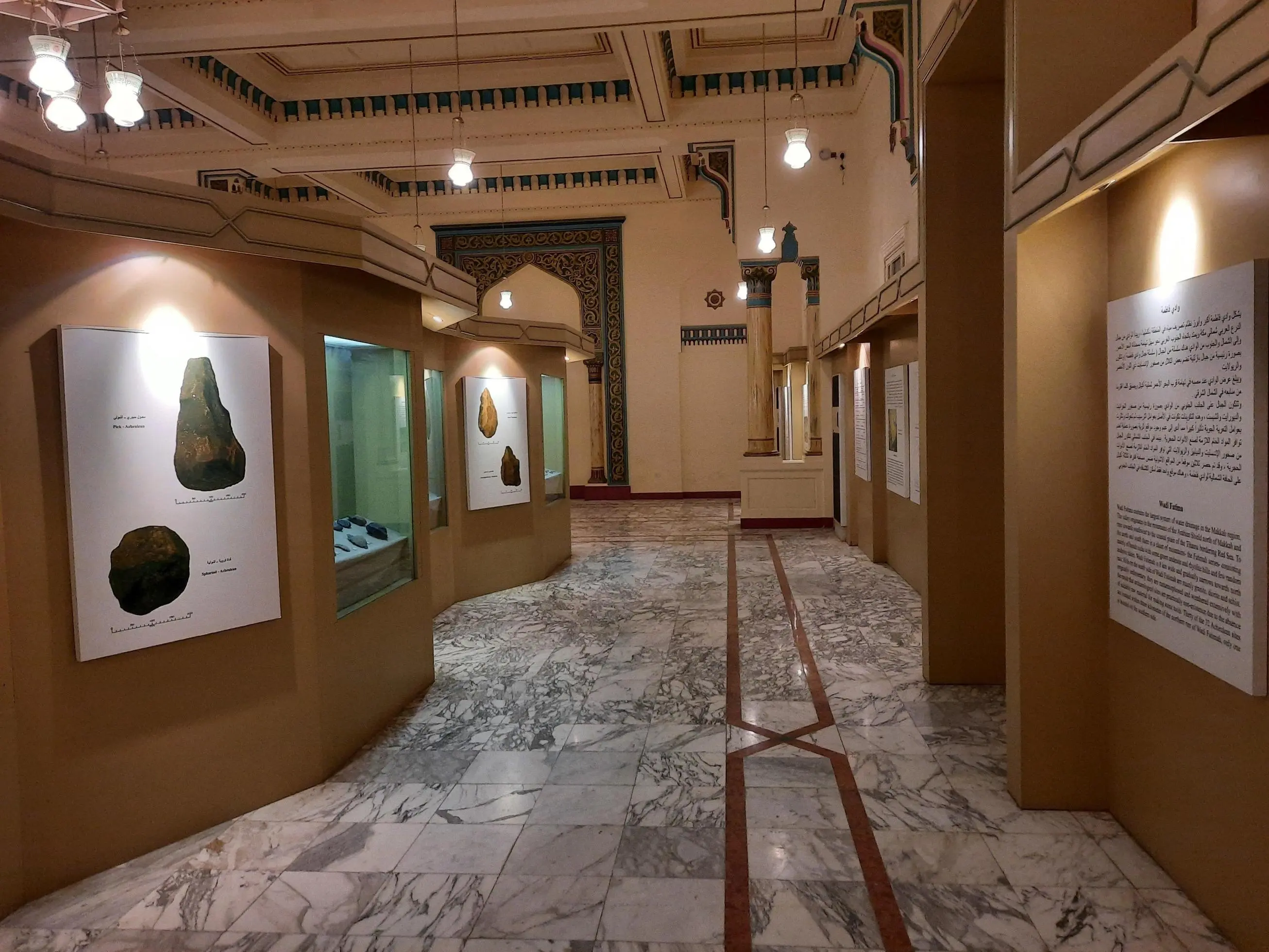
Makkah Museum (Museum of the Two Holy Mosques)
Located in the Umm al-Joud area, this museum showcases artifacts, historic doors, models, and architectural elements from Masjid al-Haram and Masjid an-Nabawi. It offers visitors a deep insight into Islamic art, architecture, and the evolution of the holy mosques, making it a must-visit for anyone interested in Islamic heritage.
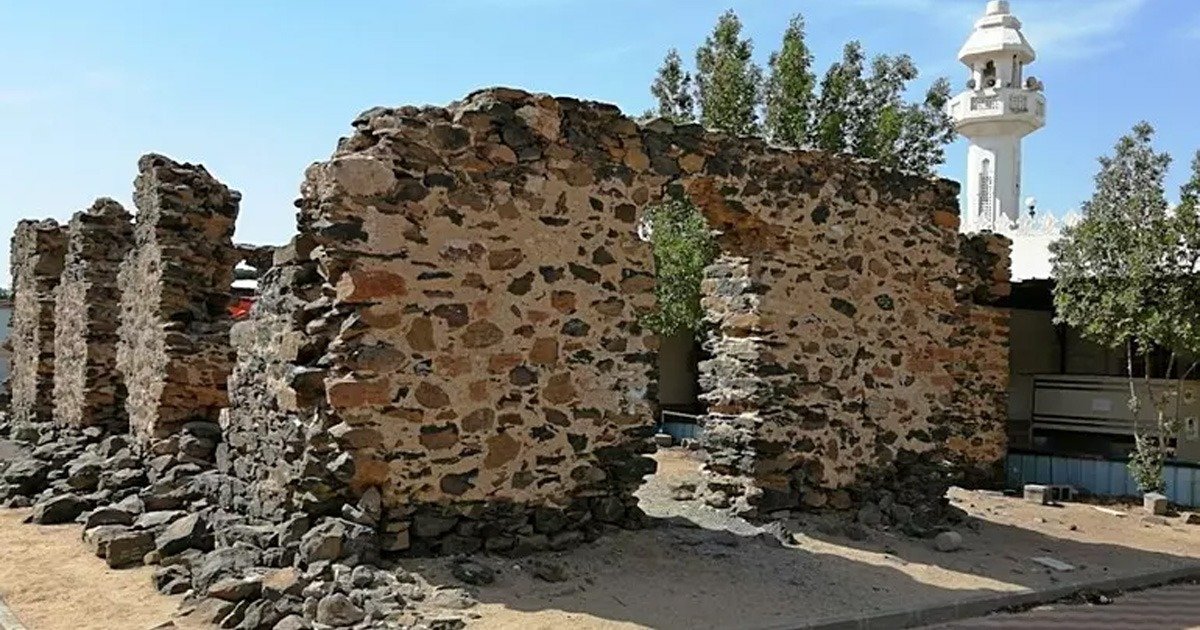
Hudaibiyah (Sulah Hudaibiyah Site)
The site of the historic Treaty of Hudaibiyah between Prophet Muhammad ﷺ and the Quraysh, symbolizing peace and patience. Today, it features a mosque and remains a peaceful spot for reflection on diplomacy and divine wisdom. Visiting this site connects pilgrims to one of the most strategic and faith-filled moments in Islamic history.
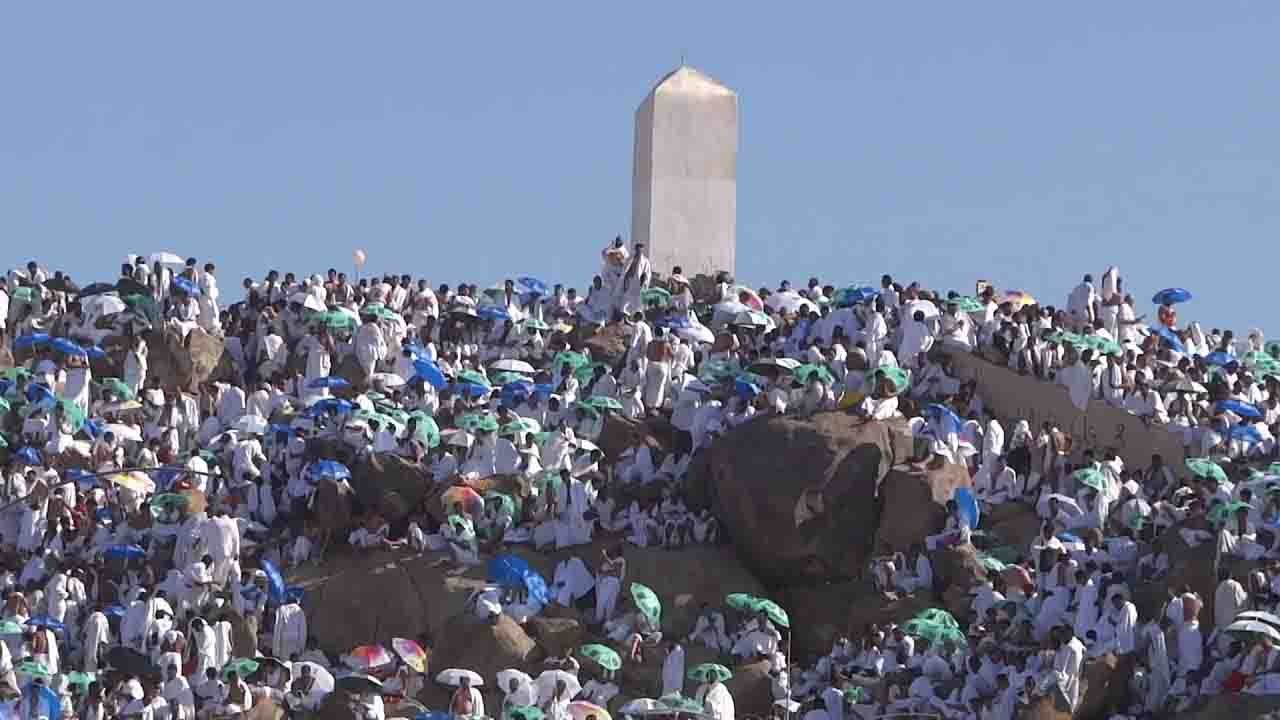
Jabal al-Rahmah (Mount of Mercy)
Located in the plains of Arafat, this is where the Prophet Muhammad ﷺ delivered his famous Farewell Sermon during Hajj. Pilgrims visit the mount to make heartfelt supplications, especially on the Day of Arafah. Standing here reminds visitors of the unity and mercy that define Islam, making it a deeply emotional experience.
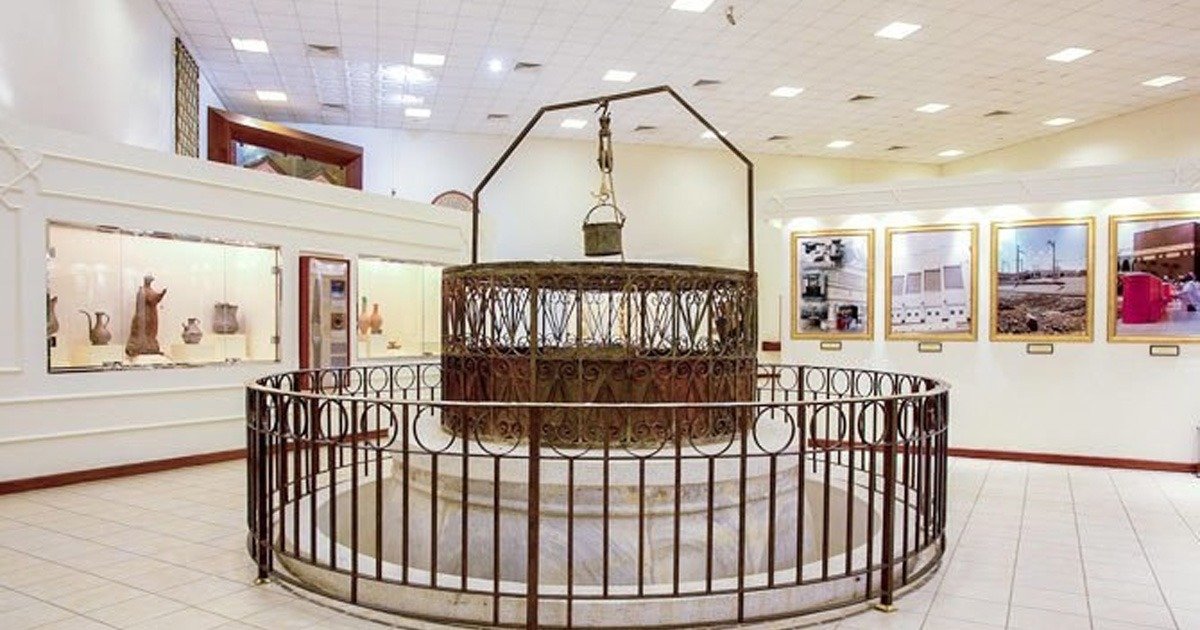
Zamzam Well
A miraculous water source located within Masjid al-Haram, discovered by Hajar (RA), the wife of Prophet Ibrahim (AS), for her son Ismail (AS). The blessed Zamzam water continues to flow for thousands of years, nourishing millions of pilgrims annually. Drinking from Zamzam is a cherished Sunnah and symbolizes faith, patience, and divine mercy.